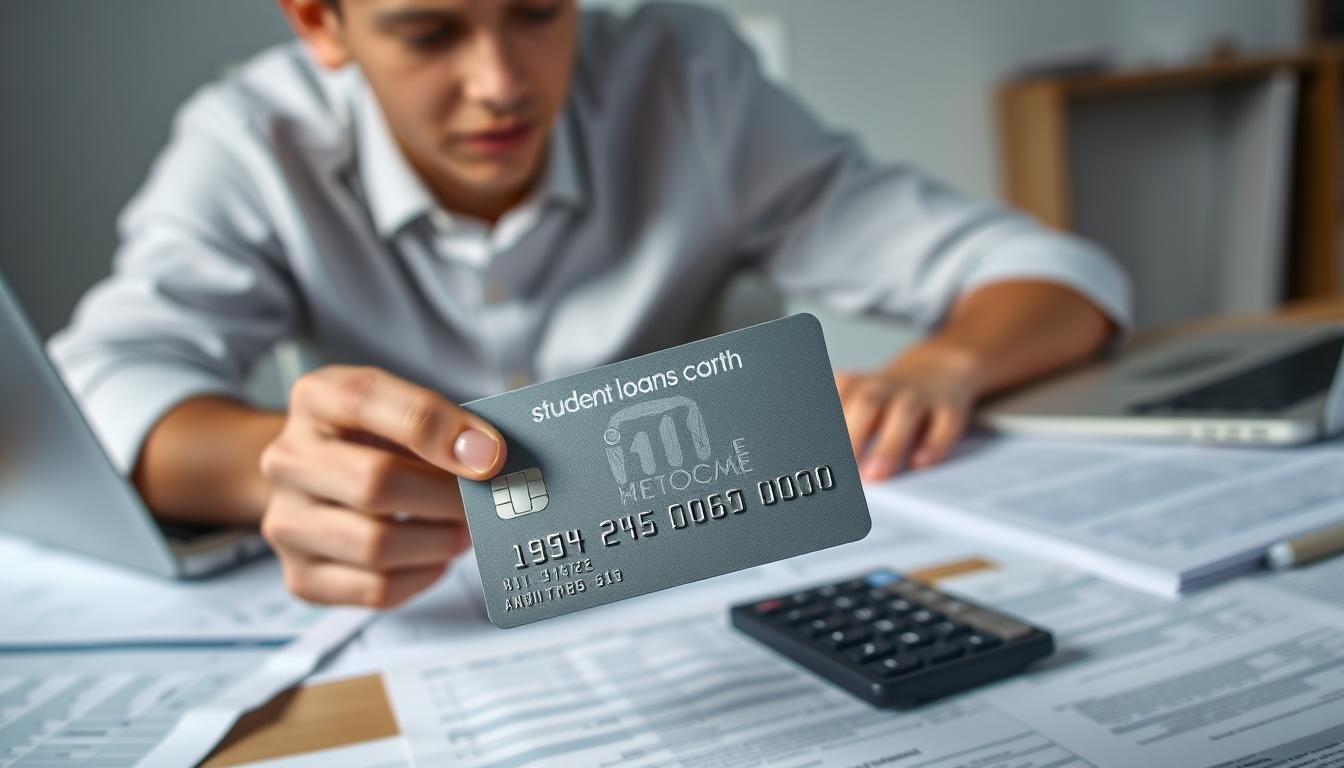
Managing student loan debt can be challenging, and some borrowers consider using a credit card for payments. However, most federal and private loan servicers do not directly accept credit card payments.
Despite this limitation, some borrowers explore alternative methods to utilize their credit cards for loan repayment. It’s essential to understand the potential financial implications, including fees, interest rates, and the impact on your credit score.
This guide will examine the complex relationship between credit cards and student loan repayment strategies, providing a balanced perspective on when this approach might be viable.
Key Takeaways
- Most student loan servicers do not accept direct credit card payments.
- Alternative methods may allow credit card use for loan repayment.
- Using a credit card for student loan payments may incur additional fees and interest.
- Borrowers should consider the potential impact on their credit score.
- A balanced approach is necessary to determine if using a credit card is a viable repayment strategy.
Understanding Student Loan Payment Options
Student loan borrowers have various payment methods to choose from, but not all are accepted by loan servicers. The accepted payment methods vary between federal and private student loan servicers.
Federal vs. Private Student Loan Payment Methods
Federal and private student loan servicers have different payment processing systems. Federal student loan servicers typically accept online payments, checks, and money orders. Some servicers also allow debit card payments. In contrast, private lenders may have more flexible payment options, but they generally don’t accept credit card payments directly.
| Payment Method | Federal Student Loans | Private Student Loans |
|---|---|---|
| Online Payments | Accepted | Accepted |
| Checks/Money Orders | Accepted | Accepted |
| Debit Card Payments | Sometimes Accepted | Sometimes Accepted |
| Credit Card Payments | Not Accepted | Not Accepted |
Why Most Loan Servicers Don’t Accept Credit Cards
Loan servicers don’t accept credit card payments primarily due to the processing fees associated with credit transactions. Additionally, regulatory considerations and the potential for borrowers to accumulate debt through credit card rewards programs are concerns. As a result, borrowers must explore alternative methods if they wish to use a credit card for their student loan payments.
Can You Pay Student Loans with a Credit Card?
The idea of paying student loans with a credit card may seem appealing, but most loan servicers don’t accept credit card payments. This limitation applies to both federal and private student loan providers.
Direct Payment Limitations
Most loan servicers, including those for federal and private student loans, do not allow direct credit card payments. This restriction is due to the high processing fees associated with credit card transactions. As a result, borrowers cannot simply log in to their loan accounts and pay with a credit card.
Indirect Payment Methods Available
Although direct credit card payments are not allowed, there are indirect methods that can enable borrowers to use their credit cards for student loan payments. These workarounds involve third-party services that facilitate the transaction, often for a fee. Borrowers might consider these options to earn credit card rewards or manage their cash flow. However, it’s crucial to understand the associated costs and potential risks before proceeding.
Some borrowers may be interested in using credit cards for student loan payments to take advantage of rewards programs or to temporarily manage their finances. While these indirect methods are available, they should be approached with caution, considering the potential fees and impact on overall financial health.
Three Ways to Pay Student Loans with Credit Cards

While direct payment of student loans with credit cards is not typically allowed, there are indirect methods that can help. Borrowers can explore alternative approaches to utilize their credit cards for student loan payments.
Using Third-Party Payment Services
Services like Plastiq act as intermediaries, allowing borrowers to make their student loan payments with a credit card. Plastiq charges a transaction fee of 2.9%, which is a crucial factor to consider when deciding to use this method. The process involves Plastiq accepting the credit card payment and then sending a check or electronic payment to the loan servicer.
Using third-party services can be convenient, but the associated fees can add up. Borrowers should weigh the benefits against the costs, considering whether the convenience justifies the extra expense.
Balance Transfer Options
Some credit card issuers offer balance transfer options that allow borrowers to transfer their student loan debt to a credit card, often with a 0% introductory APR. This can be an attractive option for managing debt, but it’s crucial to understand the balance transfer process and associated fees, typically ranging from 3-5% of the transferred amount.
Balance transfers can provide temporary relief from interest payments, but borrowers must be aware of the promotional period’s end date and the interest rate that will apply afterward.
Cash Advances as a Last Resort
Cash advances or convenience checks can be used to access credit for student loan payments, but this method comes with significant risks. Cash advances accrue interest immediately and often have high fees and interest rates, making them a costly option.
Borrowers should consider cash advances only when absolutely necessary, carefully reviewing the terms and understanding the total cost involved.
The Risks and Costs of Using Credit Cards for Student Loans
Using a credit card to pay student loans may seem like a convenient solution, but it comes with significant financial risks. Borrowers should be aware of these risks before deciding to use their credit cards for loan payments.
Transaction Fees and Higher Interest Rates
One of the immediate risks is the transaction fees associated with using a credit card for student loan payments. Whether you choose an intermediary service like Plastiq or opt for a balance transfer, you’ll likely incur an additional fee, sometimes as high as 5%. Moreover, credit cards typically have higher interest rates compared to student loans, especially federal loans. This means that transferring your student loan debt to a credit card could result in paying significantly more in interest over time.
Loss of Student Loan Protections and Benefits
Federal student loans come with various borrower protections, including income-driven repayment plans, deferment, forbearance, and potential loan forgiveness. However, if you transfer your student loan debt to a credit card, you’ll lose these benefits. Credit cards do not offer the same level of protection or flexibility as federal student loans, leaving borrowers vulnerable to financial hardship.
For instance, income-driven repayment plans allow borrowers to adjust their monthly payments based on their income and family size. If you’re unable to afford your credit card payments, you won’t have access to similar relief options. This loss of protections can have severe consequences for borrowers experiencing financial difficulties.
Potential Impact on Your Credit Score
Using a credit card for large student loan payments can also negatively impact your credit utilization ratio, which is a significant factor in determining your credit score. As your credit card balance rises, so does your credit utilization rate, potentially lowering your credit score. Maintaining a healthy credit score is crucial for future financial opportunities, such as securing loans or credit at favorable interest rates.
A higher credit utilization rate can signal to lenders that you’re overextending yourself, making it more challenging to obtain credit in the future. Therefore, it’s essential to consider the potential impact on your credit score before using a credit card for student loan payments.
Better Alternatives to Credit Card Payments

While credit cards might seem like a convenient solution for student loan payments, there are more effective and less costly alternatives. Borrowers can explore various options to manage their debt more efficiently.
Income-Driven Repayment Plans
Income-driven repayment plans are a viable option for federal student loan borrowers who are struggling to make ends meet. These plans limit monthly payments to a percentage of the borrower’s discretionary income, making it more manageable. Plans like SAVE, PAYE, and IBR offer significant relief by reducing monthly payments based on income and family size.
- Payments are calculated based on discretionary income.
- Family size is considered in the calculation.
- Various plans are available, including SAVE, PAYE, and IBR.
Loan Deferment and Forbearance Options
Both federal and private student loans offer options for temporarily pausing payments through deferment or forbearance. While interest may still accrue during these periods, they can provide necessary relief during financial hardship. Eligibility requirements vary, so borrowers should review their loan terms carefully.
- Deferment and forbearance options are available for federal and private loans.
- Interest may continue to accrue during these periods.
- Eligibility depends on the specific loan terms.
Student Loan Refinancing
For borrowers with good or excellent credit, refinancing student loans can be a smart move. Refinancing to a lower interest rate can reduce monthly payments and the total cost of the loan. However, borrowers should be aware that refinancing federal loans into private loans means losing federal loan protections.
- Refinancing can lower interest rates and monthly payments.
- Borrowers with good credit are more likely to qualify.
- Refinancing federal loans may result in losing federal protections.
Smart Ways to Use Credit Card Rewards for Student Loans
By strategically using credit card rewards, individuals can accelerate their student loan repayment. This approach allows borrowers to benefit from their everyday spending by applying the earned rewards towards their student loan debt.
Cash-Back Strategies for Loan Payments
Using a cash-back credit card for daily expenses can generate significant rewards. For instance, spending $2,000 per month on a card that earns 2% cash back yields $40 in monthly rewards. This amount can be added to the regular student loan payment, thereby paying off the debt faster.
Maximizing Cash-Back Rewards:
- Choose cards with high cash-back rates in categories you frequently shop in.
- Take advantage of sign-up bonuses.
- Use cards with rotating categories that offer higher rewards.
Recommended Cash-Back Cards for This Strategy
The Chase Freedom Unlimited® is an excellent choice, offering 1.5% cash back on all purchases without bonus categories and has no annual fee. Other cards with competitive rewards rates can also be beneficial.
| Card Name | Cash Back Rate | Annual Fee |
|---|---|---|
| Chase Freedom Unlimited® | 1.5% | $0 |
| Citi Double Cash Card | 2% | $0 |
It’s crucial to pay the credit card balance in full each month to avoid interest charges, ensuring that the rewards earned are not negated by additional debt.
Conclusion
While it’s technically possible to pay student loans with a credit card, it’s not usually the best option. Borrowers can use indirect methods like third-party services, balance transfers, and cash advances, but these come with high fees and interest rates.
Using credit cards for student loan payments can lead to a loss of federal loan protections and negatively impact credit scores. Instead, borrowers should consider income-driven repayment plans and loan refinancing as better alternatives. A smart compromise is using credit card rewards for additional loan payments.
Borrowers should assess their financial situation and choose the most appropriate repayment strategy. Prioritizing long-term financial health over short-term convenience is crucial when making decisions about student loan repayment methods. By doing so, individuals can manage their debt effectively and make progress towards financial stability.