Many people face big expenses such as weddings, medical bills, or home repairs and need extra funds fast. Lenders often review credit and past history, which can block applicants who lack a traditional score.
Some providers still consider thin files. Certain banks and online lenders use alternative checks or accept co-applicants. That gives more access to money when savings fall short.
Options exist, but trade-offs appear in cost and terms. Expect higher rates, fees, and stricter rules. Time to funding can be short with some lenders, sometimes within one day.
Responsible repayment matters. Building a positive history takes time and leads to better offers later. This article outlines definitions, lender criteria, approval tips, alternatives, and next steps for credit building.
Key Takeaways
- Approval is possible despite thin files, yet costs often rise.
- Personal loans fill gaps for major expenses when savings are low.
- Alternative underwriting and co-applicants increase approval odds.
- Compare rates, fees, and terms to avoid costly mistakes.
- Fast funding is available, but long-term affordability matters.
Understanding No Credit vs. Bad Credit
A missing file and a damaged file are not the same. One reflects an absence of recorded behavior; the other shows past negative actions. That distinction shapes lender decisions and pricing.
What an absent file means
The Consumer Financial Protection Bureau labels an unscorable profile as credit invisible, thin, or unscorable. Major bureaus—Experian, Equifax, TransUnion—need enough reports to produce a score.
Common causes include never opening credit accounts, recent account openings, or long-dormant accounts. New activity often needs about six months before a score appears.
How poor history looks
Bad history results from missed payments, high utilization, collections, or defaults. That record lowers a credit score and raises perceived risk for lenders.
Why history matters to underwriting
Lenders use credit reports and score alongside income and debt to judge affordability. A fuller history gives clearer insight into repayment patterns.
- Insufficient history limits options and often increases costs.
- Some lenders use alternative data to broaden eligibility.
- Regularly checking reports helps catch errors early.
Building a basic record with on-time payments and low balances helps move an unscorable file toward a scorable one.
Can You Get a Loan with No Credit?

When a standard credit score is missing, underwriting shifts to real-world indicators of stability.
How lenders make decisions without a credit score
Alternative underwriting uses pay stubs, bank deposits, employment history, and education. Some lenders examine cash flow and recent account activity to judge repayment risk.
- Prequalification often uses a soft check to show estimated rates and terms without harming files.
- Co-applicants or collateral may improve approval odds and lower cost.
- Smaller amounts or shorter terms are common for thin files.
Trade-offs: higher interest rates, fees, and stricter terms
Expect higher interest and origination fees when limited credit data exists. Some providers price for uncertainty with higher APRs.
| Feature | Typical outcome | Mitigation |
|---|---|---|
| Interest | Higher | Use co-applicant or collateral |
| Terms | Shorter or stricter | Negotiate autopay discounts |
| Options | Fewer offers | Compare multiple lenders |
Compare quoted rates and fees side by side and project monthly cost before choosing to get loan. Responsible repayment also helps build history for better offers later.
How Personal Loans Work When You Have No Credit
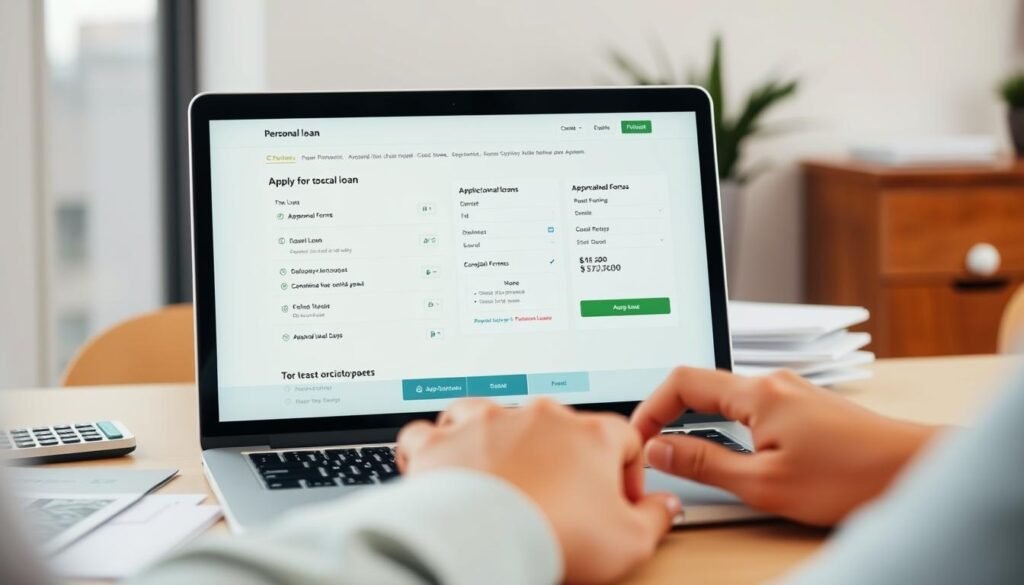
Borrowers with thin histories often face choices between unsecured options and secured offers tied to assets. This choice affects cost, approval odds, and repayment structure.
Unsecured versus secured options
Unsecured personal loans do not require collateral and allow flexible use of funds. They tend to carry higher rates when recorded history is limited.
Secured personal loans use collateral such as a vehicle. Collateral often lowers risk for lenders and may reduce APRs. OneMain Financial, for example, offers both paths and sometimes requires a first lien on qualifying vehicles for larger amounts.
Key components and repayment
- Principal: the amount borrowed.
- Interest: the cost to borrow, shown in APR for fair comparison.
- Origination fees: upfront charges that raise effective cost.
- Repayment terms: typically two to seven years; shorter terms lower total interest but raise monthly payments.
Tip: Smaller amounts usually suit applicants with limited histories. Calculate monthly payments before accepting terms and weigh the risk of collateral loss for secured credit offers.
Lender Options and Features to Compare Right Now

Comparing lender features helps match an applicant’s situation to the best path for approval. Focus on underwriting style, fees, speed, and whether a co-applicant improves terms.
Co-applicant and co-borrower paths
SoFi allows co-applicants to strengthen applications and often offers fixed APRs plus autopay and direct deposit discounts.
SoFi charges no origination, late, or prepayment fees and may accept an employment offer starting within 90 days as income. Funding often occurs same day or next business day.
Alternative data and thin-file approval
Upstart uses nontraditional factors and may approve applicants who lack standard histories.
Loan amounts range from $1,000 to $50,000. Origination can reach 12%, terms span 36–60 months, and late fees apply (about $15 or 5% of past due).
Flexible terms and secured options
OneMain Financial serves many with fair or poor histories. State-based origination fees vary; secured choices may lower APRs.
Funding via ACH often posts in 1–2 business days. Borrowers may set due dates to align payments with cash flow.
| Lender | Key feature | Fees | Speed |
|---|---|---|---|
| SoFi | Co-applicants, autopay discounts, no origination | No origination, no late fee | Same day or next business day |
| Upstart | Alternative data, accepts thin files | Origination up to 12%; late fee ~$15 or 5% | Fast electronic funding after approval |
| OneMain Financial | Secured options, flexible due dates | State-based origination $25–$500 or 1%–10% | 1–2 business days via ACH |
- Compare rates and total cost, not just monthly payments.
- Prequalify with multiple lenders to view estimated offers before hard checks.
- Verify support channels and member benefits that may aid long-term finances.
Steps to Improve Your Approval Odds Today
Practical moves—documenting income, previewing offers, and using collateral—sharpen any application.
Document income and liquidity
Gather pay stubs, W‑2s, bank statements, and offer letters. Many lenders review recent deposits and employer confirmations to assess affordability.
Some providers accept job offers that start within 90 days as proof of future income, which may help applicants with pending employment.
Prequalify with soft checks
Prequalification shows estimated rates and terms without a hard inquiry. Applicants should run soft checks with several lenders to compare offers.
This step reveals key underwriting factors and avoids unnecessary credit pulls before a final decision.
Use collateral or a co‑applicant
Securing a personal loan with collateral often lowers APRs and expands options. OneMain Financial and similar lenders offer secured credit paths that reduce risk pricing.
Adding a qualified co‑applicant also improves approval odds and pricing, since combined income and history influence underwriting.
- Pay down high balances and avoid new debt in the weeks before applying to improve ratios.
- Show healthy deposit balances to demonstrate repayment ability.
- Select a realistic payment and term combination to balance monthly cost and total interest.
- Correct errors as a credit history forms; accurate reports help the emerging score.
Final step: compare prequalified offers and then complete the apply loan process to avoid extra hard pulls and protect the score.
Alternatives if You Can’t Qualify for a Personal Loan
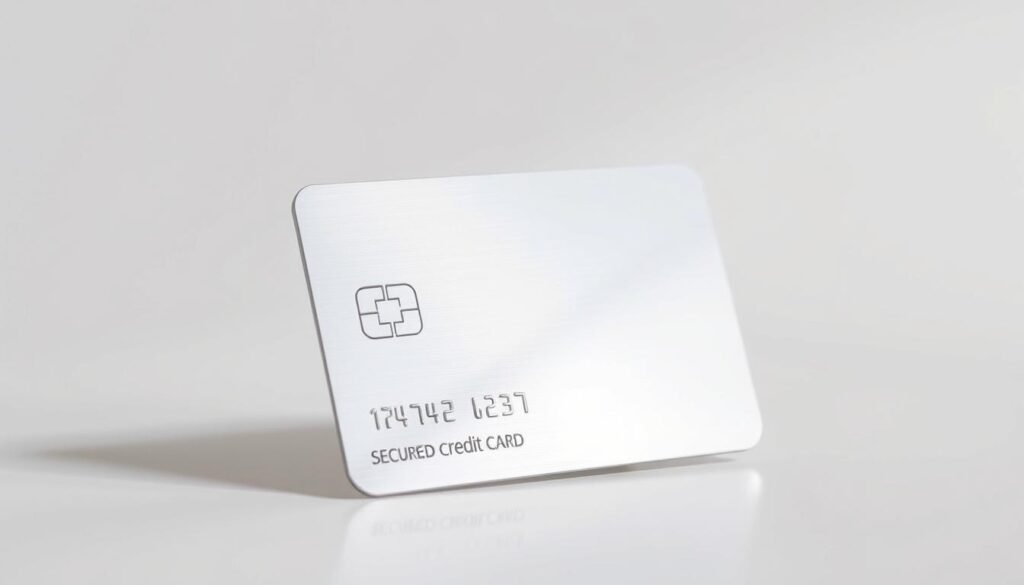
When traditional underwriting closes doors, several practical credit-building tools offer alternative routes. These options focus on creating on-time payments and low utilization that lenders value.
Secured credit cards
Secured credit card products use a refundable deposit to set the credit limit, often equal to that deposit. Prospective users should confirm the issuer reports activity to Experian, TransUnion, and Equifax.
Tip: Start with a manageable credit limit, keep balances low, and request increases after several months of on-time use.
Credit-builder loans
Credit-builder loans lock funds in an account or CD until payments finish. Payments report as on-time history and typical amounts run up to about $1,000.
When the final payment posts, the borrower receives the held funds and gains positive payment records that help building credit.
Authorized user and store cards
Becoming an authorized user on a trusted person’s card may add account age and on-time behavior to the profile, provided the issuer reports authorized user activity. This can help build credit faster than starting fresh.
Store credit cards often approve more easily but carry higher interest. If used, pay balances in full each month to avoid costly charges.
- Choose issuers that report to all three bureaus to maximize impact.
- Budget for the initial deposit on a secured credit card and monitor utilization relative to the credit limit.
- Make at least the statement payment on time monthly to build a positive record.
- Even if a personal loan is not approved now, these tools improve future approval odds.
How to Compare Offers: Rates, Fees, and Terms
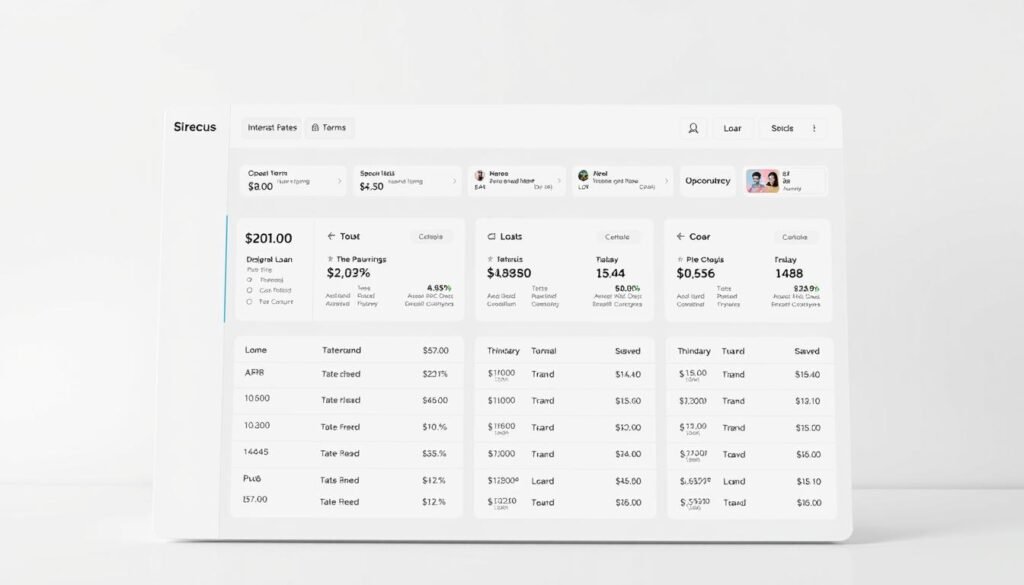
A side-by-side view of APR, fees, and payment schedules reveals true affordability.
APR is the single best metric to compare rates because it combines interest and many upfront fees into one percentage. Start there to rank offers.
Origination and late fees change effective cost. For example, SoFi advertises no origination or late fees and offers autopay and direct deposit discounts. Upstart may charge up to a 12% origination fee and late fees of $15 or 5% of the past-due balance. OneMain charges state-based origination fees (flat $25–$500 or 1%–10%) and allows due date choice.
Monthly payments and term fit
Compare monthly payments across several term lengths. Longer terms lower monthly payments but raise total interest. Shorter terms increase the monthly payment and cut total interest.
Use lender example payments to sanity-check affordability. One example: a $6,000 principal at 24.99% APR over 60 months equals a $176.07 monthly payment.
| Item | SoFi | Upstart | OneMain Financial |
|---|---|---|---|
| Origination fee | No origination fee | Up to 12% | $25–$500 or 1%–10% (state-based) |
| Late fee | No late fee | ~$15 or 5% past due | Varies by state and balance |
| Speed / perks | Same day or next day; autopay discounts | Fast electronic funding | 1–2 business days via ACH; due date selection |
- Compare APR first to rank true cost across offers.
- Note origination and late fees that affect the effective rate.
- Calculate monthly payments for multiple term lengths to match budget.
- Check autopay discounts, membership perks, and prepayment policies.
- Record rates, fees, terms, and example monthly payments for side-by-side review.
Risks to Avoid with No-Credit Borrowing
Easy qualification often masks punishing terms in short-duration credit products. These offers may seem convenient, but they often carry very high costs and tight repayment windows.
High-cost payday, auto title, and pawn options
Payday loans usually require repayment by the next pay date. That creates rollover risk and escalating costs when borrowers cannot repay on time.
Auto title loans secure the debt with a vehicle title. Default can lead to repossession and loss of transportation.
Pawn shop loans require pledging personal items. Failure to repay means permanent loss of the pledged property.
- Watch triple-digit APRs and heavy fees: many no-check products charge extremely high interest and origination costs that far exceed installment offers.
- Rollover example: repeating short-term renewals multiplies fees and interest until the total paid eclipses the original need.
- Safer first steps: consider secured personal loans, secured cards, or credit-builder loans before accepting predatory terms.
Read all disclosures—repayment timelines and fee schedules matter. Seek nonprofit credit counseling if immediate pressure exists.
Long-term tip: build an emergency fund and report predatory practices to state regulators or the CFPB when necessary.
Building Credit Takes Time: Monitoring and Next Steps
Small, regular actions produce measurable gains. Consistent activity helps move an unscorable profile into a scorable one over months and years. Patience matters because building credit takes steady habits, not quick fixes.
Check credit reports and track FICO scores
Consumers should retrieve free credit reports at AnnualCreditReport.com to confirm accuracy. A single credit report error can slow progress, so dispute inaccuracies promptly.
Use monitoring tools such as CreditWise to watch changes and follow shifts in credit scores and the FICO score. Tracking these metrics shows how actions affect standing over time.
On-time payments, low utilization, and higher limits
On-time payments are the most powerful factor in building credit. Set up automatic billing to avoid missed due dates and late fees.
Keep utilization low by paying balances early or more than once each cycle. Over time, responsible use often leads creditors to approve a higher credit limit and better-priced products.
- Retrieve credit reports at least annually and after new accounts open.
- Monitor credit scores and FICO score trends monthly when possible.
- Automate payments to protect on-time history and reduce risk of late payment.
- Pay down balances to keep utilization low and aim for higher credit limit approvals.
- Limit new account applications while building to avoid needless hard inquiries.
| Action | Tool | Benefit |
|---|---|---|
| Review reports | AnnualCreditReport.com | Find and fix errors that harm score |
| Monitor scores | CreditWise or similar | Track FICO score and trends |
| Manage balances | Auto-pay and extra payments | Lower utilization; faster progress |
Bottom line: credit takes time, but steady payments and careful monitoring deliver lasting improvement. Revisit prequalification as profiles improve to secure lower-cost financing later.
Conclusion
Bottom line, select lenders that evaluate bank statements, employment history, or accept co-applicants to improve the chance to get loan approval when a standard score is limited.
Expect higher cost and stricter terms until the profile strengthens. Compare APR, fees, term length, funding speed, and customer support to avoid overpaying for urgent money needs.
Safer options include secured cards, credit-builder products, and authorized-user status to build history. Follow a simple plan: prequalify, document income, consider collateral or a co-applicant, and pick the most affordable structure.
Build an emergency buffer and monitor reports and scores regularly. Over time, responsible use opens better offers and the chance to refinance for lower rates.